professional Waterloo Bolt Together Buildings for residential needs
Maximize Your Space: The Ultimate Guide to Picking the Ideal Storage Shed
Picking the ideal storage shed is important for maximizing outdoor space effectively. It calls for careful consideration of individual preferences, available land, and suitable materials. A properly chosen shed not only fulfills functional needs but also elevates the overall appeal of a property. Grasping these factors can be difficult. What features will truly stand out? Examining these aspects can lead to a more organized and worthwhile outdoor setting.
What Do You Need a Storage Shed To Accomplish?
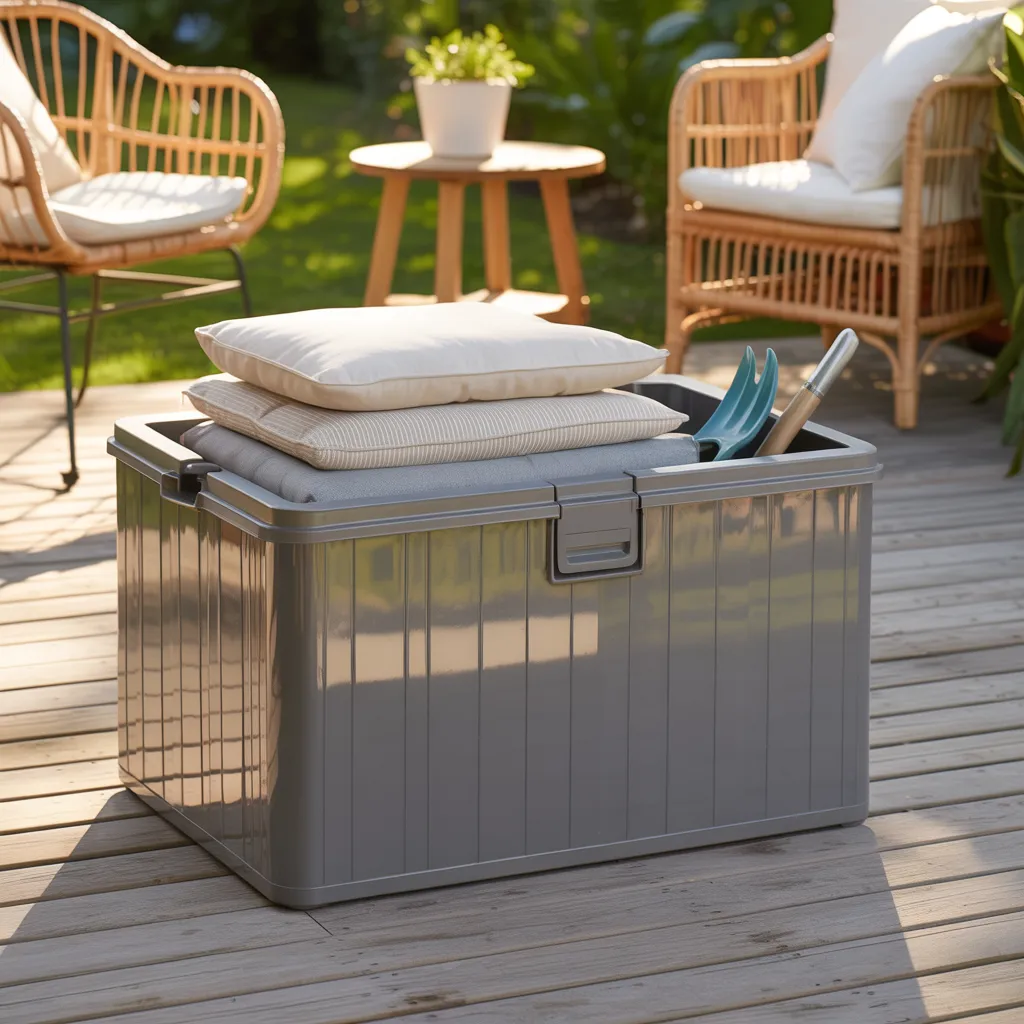
When contemplating the buying of a garden shed, one might wonder what specific needs it will address. Determining these requirements is important for making an informed decision. Many homeowners seek extra space for garden equipment, outdoor equipment, or seasonal decor. A garden shed can also function as a workshop for hobbies, creating a specific space for woodworking or crafting.
Some individuals may consider a shed to house lawnmowers, bicycles, or outdoor gear, protecting these possessions from outdoor elements. Furthermore, for pet owners, a shed can provide a safe space for pet supplies or even a cozy retreat for animals.
Fundamentally, recognizing the planned function of the shed will direct the decision-making process. Accurately identifying requirements allows for a better suited and effective choice, guaranteeing the shed successfully improves organization and maximizes the context information space available within the yard or garden.
What Amount of Space Do You Need?
Figuring out the ideal capacity for a storage shed requires evaluating individual storage needs. Knowing which items need to be stored and examining the available space are fundamental considerations in this undertaking. Moreover, applying reliable measuring methods can help ensure a suitable placement within the chosen location.
Assessing Your Storage Needs
What is the best way to assess one's storage needs? First, it is essential to inventory items requiring storage. Such items encompass seasonal goods, tools, outdoor equipment, and other possessions that cannot be accommodated within the home. Grouping belongings according to their size and how often they are used can help determine what storage space is truly needed.
Additionally, think about the future; anticipating future purchases can prevent the underestimation of space needs. Moreover, people should evaluate whether they need dedicated shelving units, work surfaces, or open floor space for bigger belongings.
Finally, it is essential to factor in accessibility. Guaranteeing that often needed items are within easy reach can influence the total size and layout of the storage system. By carefully evaluating these elements, one can form sound judgments about the best storage shed.
Space Measurement Methods Available
To accurately measure available space for a storage shed, homeowners must begin by evaluating their outdoor space and identifying any physical limitations, such as property lines, trees, or existing structures. Next, using a tape measure, they should determine the dimensions of the desired placement area, being careful to include any required clearance around the shed for access and airflow. Additionally, marking the shed's footprint with stakes or chalk is a practical way to confirm it will fit in the intended space. Moreover, reviewing local zoning guidelines is important as they may impact the shed's location and overall size. In the end, a comprehensive measurement process ensures that the chosen storage shed will blend naturally into the outdoor space while optimizing its functional utility.
Which Materials Should You Choose for Your Shed?
When choosing a storage shed, the type of materials significantly affects aesthetics, durability, and maintenance. Popular materials encompass wood, metal, and plastic, each offering distinct advantages.
Wooden sheds provide a classic look and allow for easy personalization but need consistent upkeep to avoid rot and pest damage. Metal sheds, often made of galvanized steel or aluminum, are durable and weather-resistant but may be prone to rust without proper treatment. They generally need very little maintenance.
Plastic garden sheds, manufactured from high-density polyethylene or resin, are remarkably lightweight, resistant to rot, and virtually maintenance-free, making them an ideal choice for homeowners seeking convenience.
At the end of the day, the choice should take into account individual preferences regarding style, long-term maintenance capabilities, and the intended use of the shed. Every material offers its own distinct advantages, making it critical to evaluate individual needs before making a final choice.
How to Match Your Shed Style to Your Home
Selecting a storage shed that matches the design of a home boosts both usability and curb appeal. To make this happen, homeowners should first assess the architectural features of their residence. To illustrate this point, a modern home may pair well with a sleek, minimalist shed, whereas a classic house may be better suited to a timeless wooden shed with ornate trim.
Proper color coordination plays a key role; aligning the shed's color with the home's facade helps achieve a unified appearance. Property owners ought to take their surroundings into account; integrating the shed into the yard's natural features will enhance its appeal.
Moreover, the shed's size should align with the scale of the house and surrounding structures, so that it won't overwhelm or underwhelm. When all is said and done, the objective is to foster a seamless connection between the storage structure and the house, improving the overall curb appeal while offering sufficient space for storage.
How Much Should You Budget for Your Shed?
Budgeting for a storage shed demands a thorough assessment of various factors. Key elements including size, material, and design can greatly influence final expenses. Being aware of these elements is essential for creating a realistic budget that satisfies both practical needs and personal preferences.
Determine Shed Size
How does someone determine the correct size for a storage shed while considering costs? The initial step requires assessing the purpose the shed will serve. Recognizing whether it will hold outdoor furniture, gardening tools, or larger equipment can affect the required dimensions. Next, it is necessary to assess the yard's available space, ensuring ample room for the shed while keeping local zoning regulations in mind. Budget considerations also play a key role; larger sheds generally require more investment. Therefore, focusing on needs rather than wants can aid in making a financially sound decision. Furthermore, accounting for future storage requirements can eliminate the need for a future purchase, thereby saving money over time.
Material and Design Expenses
What aspects should a person evaluate when estimating material expenses and design fees for a garden shed? Initially, the decision regarding construction materials significantly affects the budget. Popular selections encompass plastic, wood, and metal, all of which differ in cost and longevity. In addition, the shed's design complexity—including roofing type and the addition of windows—can influence costs. It is also important to account for labor costs, most notably for tailored designs or specialized installations. Moreover, municipal regulations might necessitate building permits, contributing to the overall expense. Researching and evaluating pricing from multiple suppliers and contractors is recommended in order to secure the most competitive rate. At the conclusion of the process, a thoughtfully prepared budget that incorporates all these considerations allows an individual to make a knowledgeable determination when acquiring an outdoor storage shed.
Essential Features for Your Perfect Storage Shed
Identifying the best storage shed involves evaluating various key characteristics that can boost durability and functionality. For starters, proper ventilation is vital to reduce humidity buildup and preserve stored items. Integrated shelving and storage systems maximize spatial organization, allowing effortless access to stored tools and items. Furthermore, a secure lock and security feature is vital for securing valuable possessions.
A sturdy structure, be it concrete or wood, offers lasting stability, while weather-resilient components provide reliable protection against harsh weather. Plan the size thoughtfully; it ought to satisfy present needs while leaving space for expansion. Installing windows for natural light can increase visibility, helping you locate belongings with greater ease.
As a final consideration, visual attractiveness must not be ignored. Choosing a design that enhances the home and outdoor space can increase the property's overall worth. By incorporating these important features, homeowners can identify a storage shed that satisfies both practical and personal requirements.
Frequently Asked Questions
What Are the Best Locations for Placing a Storage Shed?
The best spots for positioning a storage shed feature even, moisture-free zones free from surrounding trees, ensuring sunlight exposure and accessibility. Nearness to your residence increases usability, while maintaining local regulations and property lines is essential.
How Can I Keep My Storage Shed in Good Condition Over Time?
Proper maintenance of a storage shed requires examining for damage, removing debris, verifying for leaks, and applying protective coatings to wood. Ensuring proper ventilation prevents mold, while routine organization keeps contents accessible and tidy.
Is It Possible to Customize My Storage Shed?
Absolutely, storage sheds can be tailored in many different ways. Homeowners can select from a variety of materials, colors, sizes, and interior configurations to meet their specific requirements, ensuring the shed complements their property and fulfills specific storage requirements.
What Permits Are Needed for Shed Construction?
Municipal regulations commonly indicate that building permits may be required for sheds. Homeowners are advised to examine zoning regulations, height requirements, and lot lines, ensuring compliance to avoid fines or potential removal of the structure.
What Are the Best Ways to Secure My Storage Shed From Theft?
To protect a storage shed against theft, homeowners should install sturdy locks, utilize motion-sensor lighting, fortify doors and windows, invest in a security camera, and maintain a clear view of the shed from the house.